What Is a Tablet Blister Packing Machine?
tablet blister packaging machines, or automated packaging equipment that packs tablets into aluminum-plastic or exclusive aluminum blisters, will be a global market of $5.8 billion in 2023, increasing at 7.5% annually (Intertek data). For instance, the Uhlmann B 1240 model in Germany can have a top speed of 800 plates/min, power of 18 kW, and can process the tablet diameter range of 3-25 mm, thickness range of 0.5-8 mm, blister molding precision of ±0.05 mm, scrap rate < 0.1%. Upgrading this machine in 2022, Pfizer will increase its annual manufacturing capacity by 1.2 billion tablets, reduce labor costs by 55%, and shorten the return on investment timeframe to 16 months.
Material flexibility is an intrinsic advantage. The machine accepts PVC, PVDC, aluminum foil and other films (thick 0.2-0.5mm), heat sealing temperature control accuracy ±1°C, sealing force ≥ 8N /15mm, moisture barrier ≤ 0.1g /m²/day. Novartis uses a tablet blister packing machine to produce aspirin enteric-coated tablets that are stable for ≥2 hours under an acidic stomach condition (pH 1.2), with a dissolution deviation of ≤3% and a shelf life of 36 months. The food industry, such as Mars, uses nitrogen filling (pure ≥99.9%) in order to reduce oxidation rancidity of chocolate chips from 0.8% to 0.1%, saving 150 tons/year of raw materials waste.
Technology for quality assurance ensures compliance. Japan Takazono C-5050 model involved high-resolution visual inspection system (accuracy 10 μm), real-time tablet defect detection (e.g., crack ≥0.3 mm) or bubble cap sealing defect detection (air leakage rate ≤0.01%), accuracy rate of 99.97%, false exclusion rate of only 0.03%. Roche Pharmaceuticals deployed AI algorithms in 2021 to predict wear of mold (error ±0.02 mm) by monitoring the geometry of blanking waste, extending the mold life from 500,000 times to 800,000 times, and saving $500,000 in annual maintenance expenses. Apart from that, electrostatic removal module (balance voltage ±5 V) can even reduce the adsorption capability to ≤0.01 mg/plate, according to FDA 21 CFR Part 211 cleaning standard.
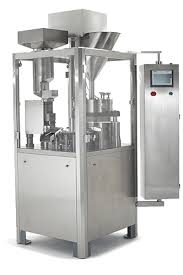 Working efficiency and economic production are marvelous. Completely automatic machines, like the Bosch Sigpack HXS 400, handle 48,000 chips per hour, 300 percent more than semi-automatic equipment (12,000 chips per hour), but only uses 40 percent more power. The price of a single package is approximately 0.02-0.05 US dollars, 35% less than that of bottles, and the aluminum-plastic film recovery rate is ≥90%. Indian generic pharma firms lost $22 million in 2020 through recalls when non-compliance equipment (seal strength < 6 N/15mm), which led to the degradation of hygroscopic tablets, was implemented, whereas compliance equipment (e.g., Syntegon TPU 300) controlled the variation in the weight of the tablet to ±3% through an online weighing system with accuracy ±0.5%.
New technologies usher in industry change. In 2023, Multivac launched AI-based models with which the heat seal temperature (120-200°C±0.5°C) is dynamically adjusted in real time to compensate for the difference in the melting point of compound drugs, improving production flexibility by 25%. The 3D printing mold technology of China Chutian Technology reduced the development time for prototypes from 30 days to 72 hours, and the error in accuracy was ≤±0.05 mm. According to Roland Berger forecasts, in 2028 smart tablet blister packing machine will control 45% of the market, pushing the entire market size beyond 8.2 billion US dollars with a mean annual growth rate of 9.3%.
Working efficiency and economic production are marvelous. Completely automatic machines, like the Bosch Sigpack HXS 400, handle 48,000 chips per hour, 300 percent more than semi-automatic equipment (12,000 chips per hour), but only uses 40 percent more power. The price of a single package is approximately 0.02-0.05 US dollars, 35% less than that of bottles, and the aluminum-plastic film recovery rate is ≥90%. Indian generic pharma firms lost $22 million in 2020 through recalls when non-compliance equipment (seal strength < 6 N/15mm), which led to the degradation of hygroscopic tablets, was implemented, whereas compliance equipment (e.g., Syntegon TPU 300) controlled the variation in the weight of the tablet to ±3% through an online weighing system with accuracy ±0.5%.
New technologies usher in industry change. In 2023, Multivac launched AI-based models with which the heat seal temperature (120-200°C±0.5°C) is dynamically adjusted in real time to compensate for the difference in the melting point of compound drugs, improving production flexibility by 25%. The 3D printing mold technology of China Chutian Technology reduced the development time for prototypes from 30 days to 72 hours, and the error in accuracy was ≤±0.05 mm. According to Roland Berger forecasts, in 2028 smart tablet blister packing machine will control 45% of the market, pushing the entire market size beyond 8.2 billion US dollars with a mean annual growth rate of 9.3%.
Working efficiency and economic production are marvelous. Completely automatic machines, like the Bosch Sigpack HXS 400, handle 48,000 chips per hour, 300 percent more than semi-automatic equipment (12,000 chips per hour), but only uses 40 percent more power. The price of a single package is approximately 0.02-0.05 US dollars, 35% less than that of bottles, and the aluminum-plastic film recovery rate is ≥90%. Indian generic pharma firms lost $22 million in 2020 through recalls when non-compliance equipment (seal strength < 6 N/15mm), which led to the degradation of hygroscopic tablets, was implemented, whereas compliance equipment (e.g., Syntegon TPU 300) controlled the variation in the weight of the tablet to ±3% through an online weighing system with accuracy ±0.5%.
New technologies usher in industry change. In 2023, Multivac launched AI-based models with which the heat seal temperature (120-200°C±0.5°C) is dynamically adjusted in real time to compensate for the difference in the melting point of compound drugs, improving production flexibility by 25%. The 3D printing mold technology of China Chutian Technology reduced the development time for prototypes from 30 days to 72 hours, and the error in accuracy was ≤±0.05 mm. According to Roland Berger forecasts, in 2028 smart tablet blister packing machine will control 45% of the market, pushing the entire market size beyond 8.2 billion US dollars with a mean annual growth rate of 9.3%.